
<5> Seamless Patterns
Talking about beautiful packaging
A song to accompany this blogpost:
Recently I was looking through an album called “How to wrap five more eggs : traditional Japanese packaging” by Oka Hideyuki. The book was published in Japanese in 1965 and in English, two years later. Oka Hideyuki has been passionate about Japanese packaging for a long time and made a hobby out of documenting them. While he was researching them he found out that unfortunately some were on the brink of disappearance as the industrialisation and consumerism was taking over.
I have selected fragments from the introduction he wrote at the beginning of this album; such a heart felt one, explaining so beautifully the essence of Japanese packaging and why it is such an element of aesthetic pleasure.
Yet again, like other books before, I resonated so much with what the author explains in it, the consumerism, the beauty of details, the simple things, the dedication and how nature and raw materials are the main star of the show. Such an intimate approach to the art of packaging and what a beautiful and deeper meaning it holds.
There’s nothing else to add, each paragraph speaks for itself. Let it sink in.


“Japan today is a far cry from the world symbolised by its traditional packages. That world simply no longer exists except perhaps in a few inaccessible and forgotten spots. Even to us Japanese it is a world that is beginning to be remembered only as a vestige of the past or, in the case of younger Japanese, one that has become only a myth. I have felt it my duty to save whatever I can of this transient, vanishing art. Once every aspect of Japanese life was imbued with the spirit that produced this art. Can we now condemn it to oblivion without even so much as a funeral hymn? Can we let it go forever, not even asking ourselves:
"If the craftsmen and 'designers' of old Japan could create beauty with their materials, are we today to accept defeat when faced with our new materials and new way of life?" “


“… the beginning of packages as works of art, as products that often had more charm and more value than the actual contents of the packages. Packaging had become an end in itself. The motivation of these artisans was entirely personal. They could not resist the desire to perfect their art. They were driven by two considerations: an aesthetic philosophy that said everything could and should be made beautiful and a value system in which all objects, large or small, expensive or cheap, were of real value. Today our sense of values is quite different, and we often wonder why those long-ago artisans took so much trouble, spending so much time and energy in wrapping unimportant, humble objects.
The answer lies in the traditional Japanese sense of values.
Today we often seem to think that consumption, not conservation, is the aim of life. Fortunately, vestiges from a wiser past keep recalling us to our senses.”
“The handicraft art of packaging, for one, suggests again and again that maybe everything is not meant to be thrown away. May it not well be that we have finally reached the point where we must reexamine the bases of our modern value system? “
“The most frequent materials are wood, bamboo, straw, and clay, or derivatives of these materials such as paper, cloth, and ceramics. These are all familiar materials that abound in our natural surroundings and have been used in unspoiled ways since ancient times. The important point is that these natural materials are used in such a way as to show their freshness and their natural textures.”
“The conflict between man and nature seems to have been one of the bases of Western civilisation. In Japan, on the other hand, man has usually lived as part of nature, being embraced by it and commingling with it. This doubtless explains why the most distinguishing characteristic of traditional packaging is the natural element. The Japanese view of nature as being a friend rather than an opponent suggests that today Japan should be in the vanguard of the movement to protect mankind's natural environment. “
“But to return to packaging, the beauty we find in its materials is largely the beauty of nature; witness the fresh green of the bamboo leaf, the soft gleam of the bamboo stem, the dignity of cryptomeria bark, the charming pattern of grain in paper-thin shavings of wood. But note that in each case the natural beauty is not used exactly as it originally existed but is re-created in some form or other by the hand of man. Thus natural elements are manipulated in such a way as to become symbols of nature in our daily lives.”
“A third characteristic of our packaging is that of handwork. Such packaging would be impossible without the touch of the human hand. …... But the point I would like to make here is not the manual dexterity of the Japanese; it is rather the feeling of love and consideration for others that motivates them to do this handwork. Even in the case of a small cake, say, whether you are giving it as a gift or selling it to a customer, you take the trouble to wrap or package it prettily, no matter how troublesome or inefficient the act may be, simply because you hope that whoever receives it will enjoy opening the package and eating the cake. This is what I mean by love and consideration.
One of the reasons why traditional packaging has been disappearing so rapidly in our modern society is that it is so inefficient as to make mass production impossible. And may this not also indicate that we are rapidly losing our human capacity for love and consideration?
No one can deny that the modern system of mass production, whereby a large number of commodities of uniform shapes and qualities are produced by use of the most advanced techniques, has made our daily life comfortable and easy. But should we not pause to reflect and ask ourselves whether we have not suffered a huge and irrevocable loss in exchange for so much convenience and so much emphasis upon material values? This, I think, is one of the lessons to be learned from our traditional packaging that our inner, spiritual satisfaction cannot be found merely in material abundance. In this sense traditional Japanese packaging is nothing less than a manifestation of the Japanese love of spiritual things, a love that we, and people everywhere in this modern world, must make haste to reclaim unless it is to vanish forever.”
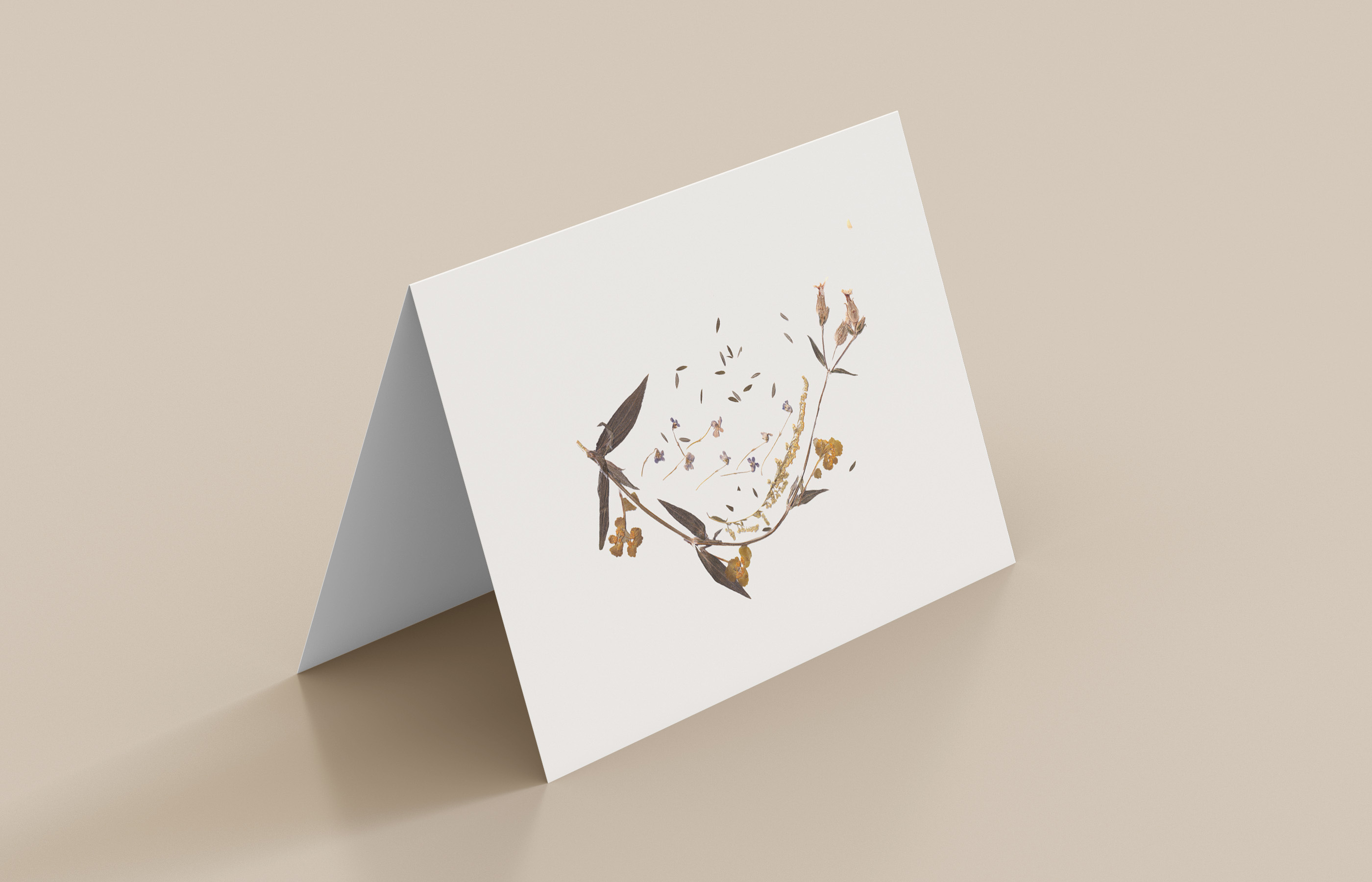
To me, this book just like other books I talked about in this newsletter, made me feel like I was speaking the same language as the author, passionate about the same concepts, you notice the same details, like old friends. It also reminded me about another book called ‘The beauty of everyday things’ by Soetsu Yanagi. A book I really enjoyed and though I have shared about it before, but on closer inspection of my previous blogposts I realised I haven’t, so I’ll leave that conversation for another time.
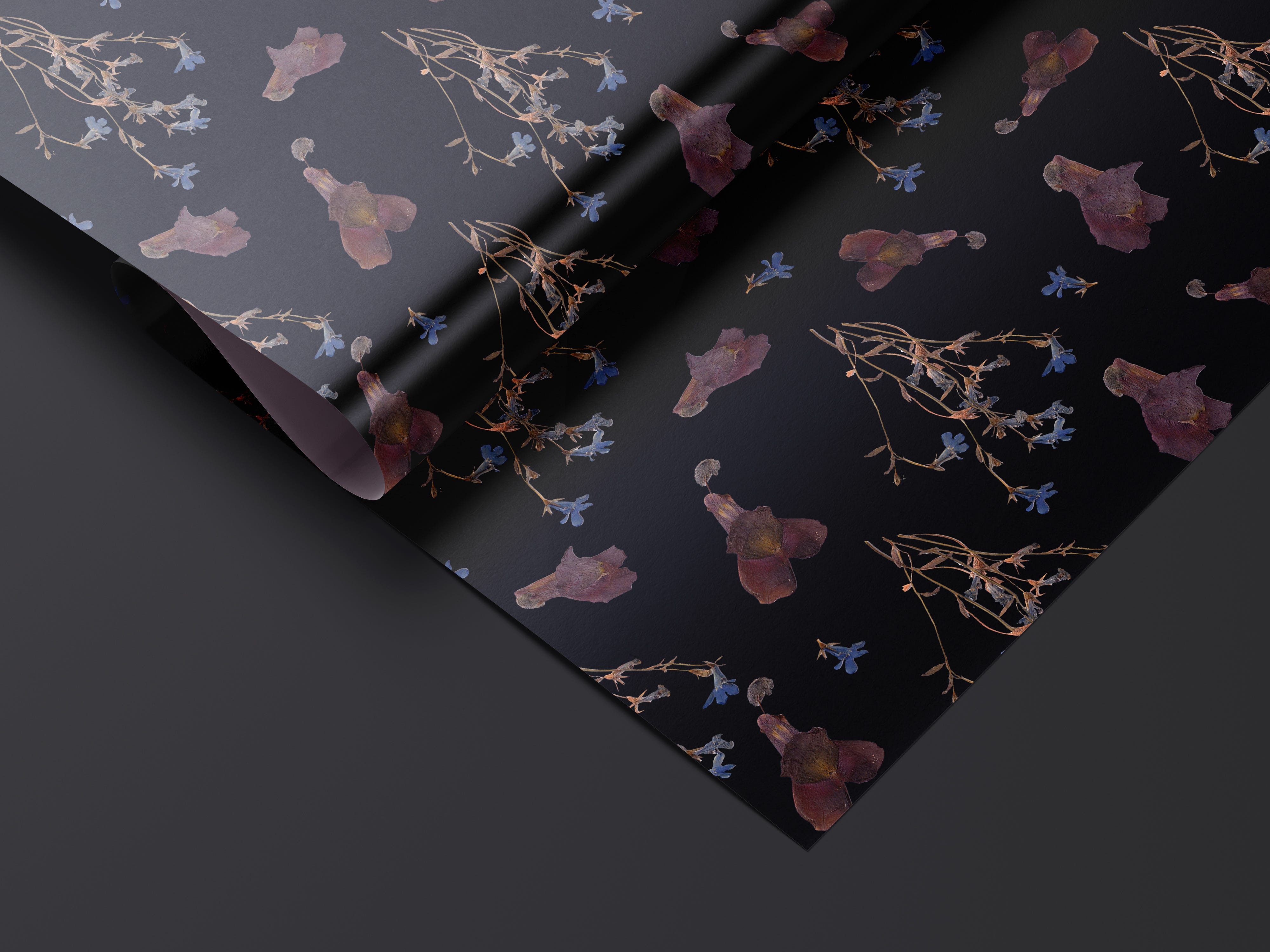
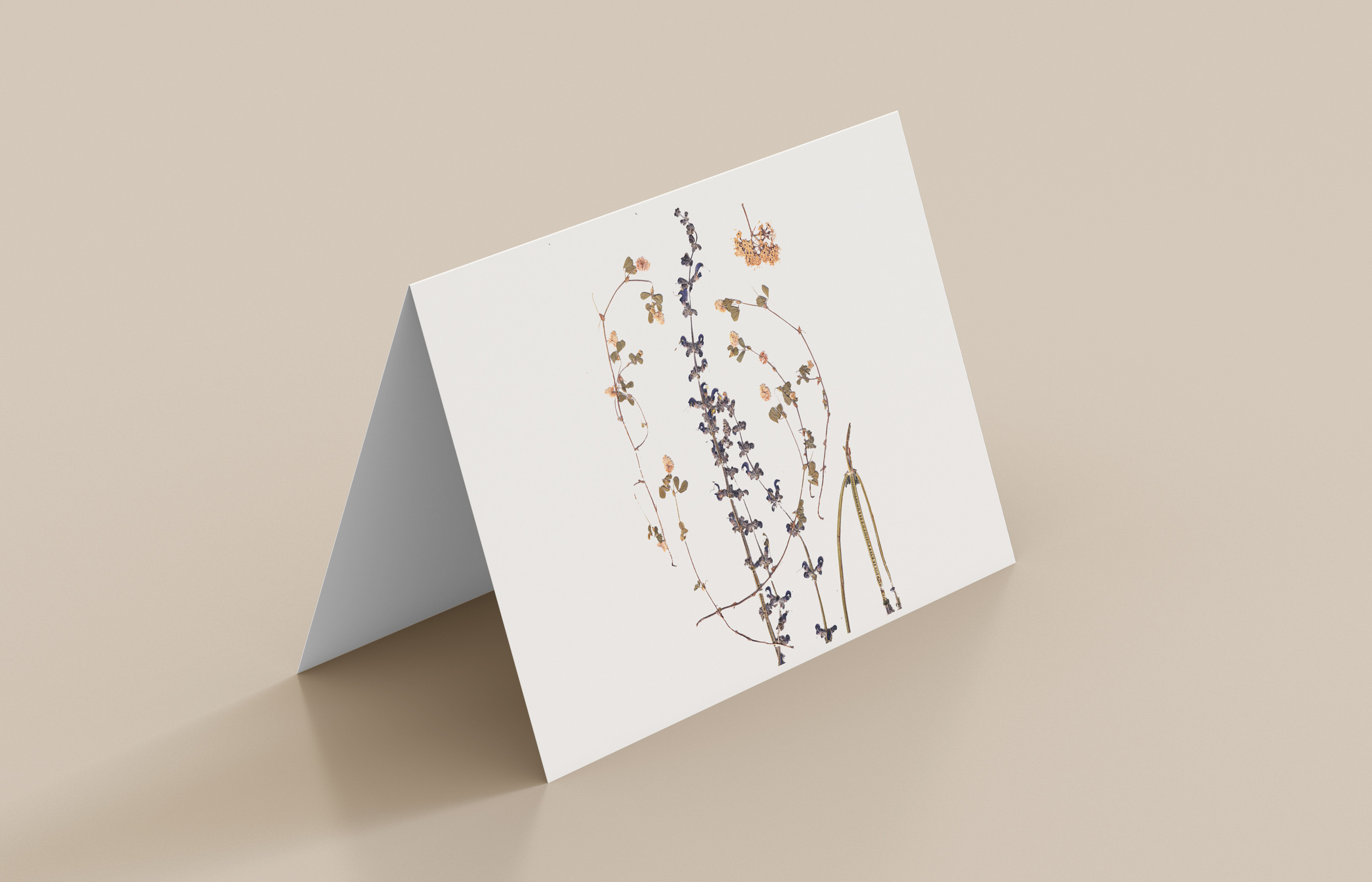
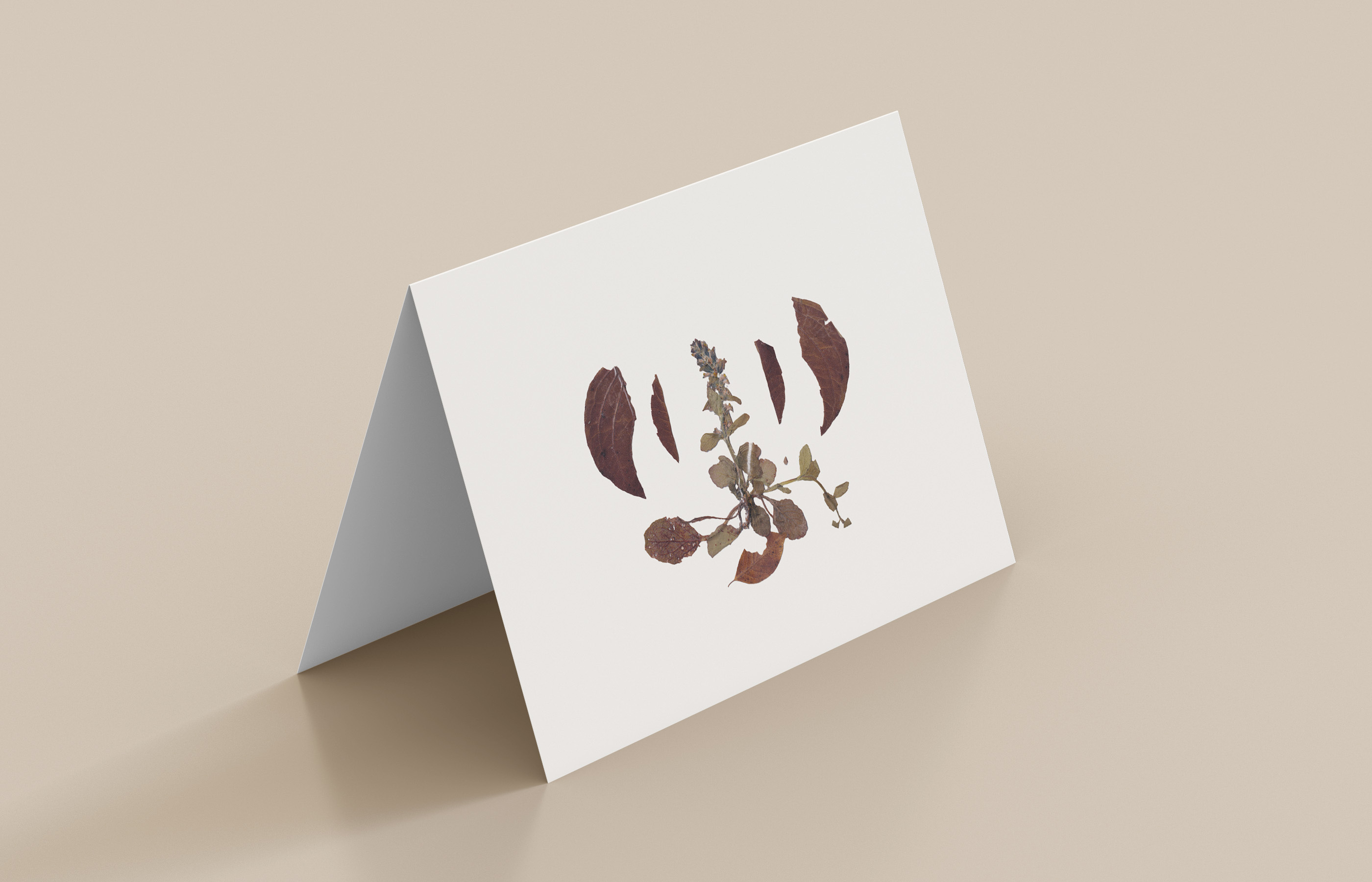
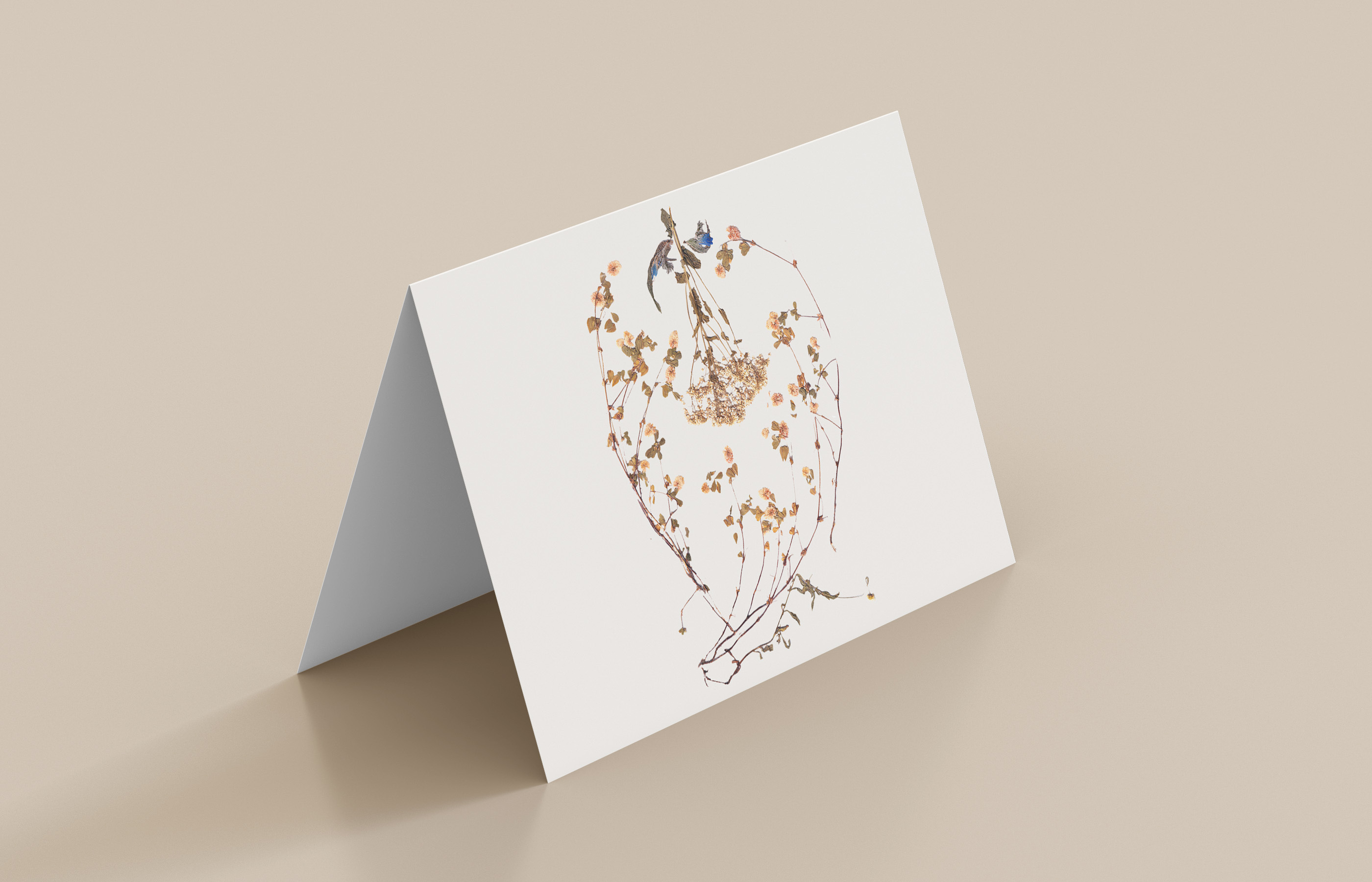
This album reignited my dreams about my plant designs being used as packaging and the images I shared in this post are a proposal to what that might look like.
If you want to go though the album yourself you can borrow it for free from the Internet Archive online library.
© Copyright 2025 Starhan Garden. All rights reserved.
🧧 If you like my content and want to buy me a coffee ☕️, you can easily do it here. 🌿✨